
Excavator vs Bulldozer: The Right Machine for Every Stage of Construction
Thursday, 9 July 2026
Excavators and bulldozers are both built for earthworks, but they are not interchangeable. Each machine handles a specific set of tasks, and using the wrong one on a job creates real problems: slower progress, higher costs, and risk of site damage.
This guide covers the core differences so you can match the right machine to each stage of your project.

Excavator vs Bulldozer: Quick Comparison
Understanding those differences upfront matters more than most contractors expect. A bulldozer on a confined residential site can cause access problems and disturb finished work. An excavator on a large open clearing job takes significantly longer than a dozer would.
Getting the call right from the start saves both time and money, and with build costs elevated and margins tight, there's little room for costly mistakes.
What Is an Excavator?
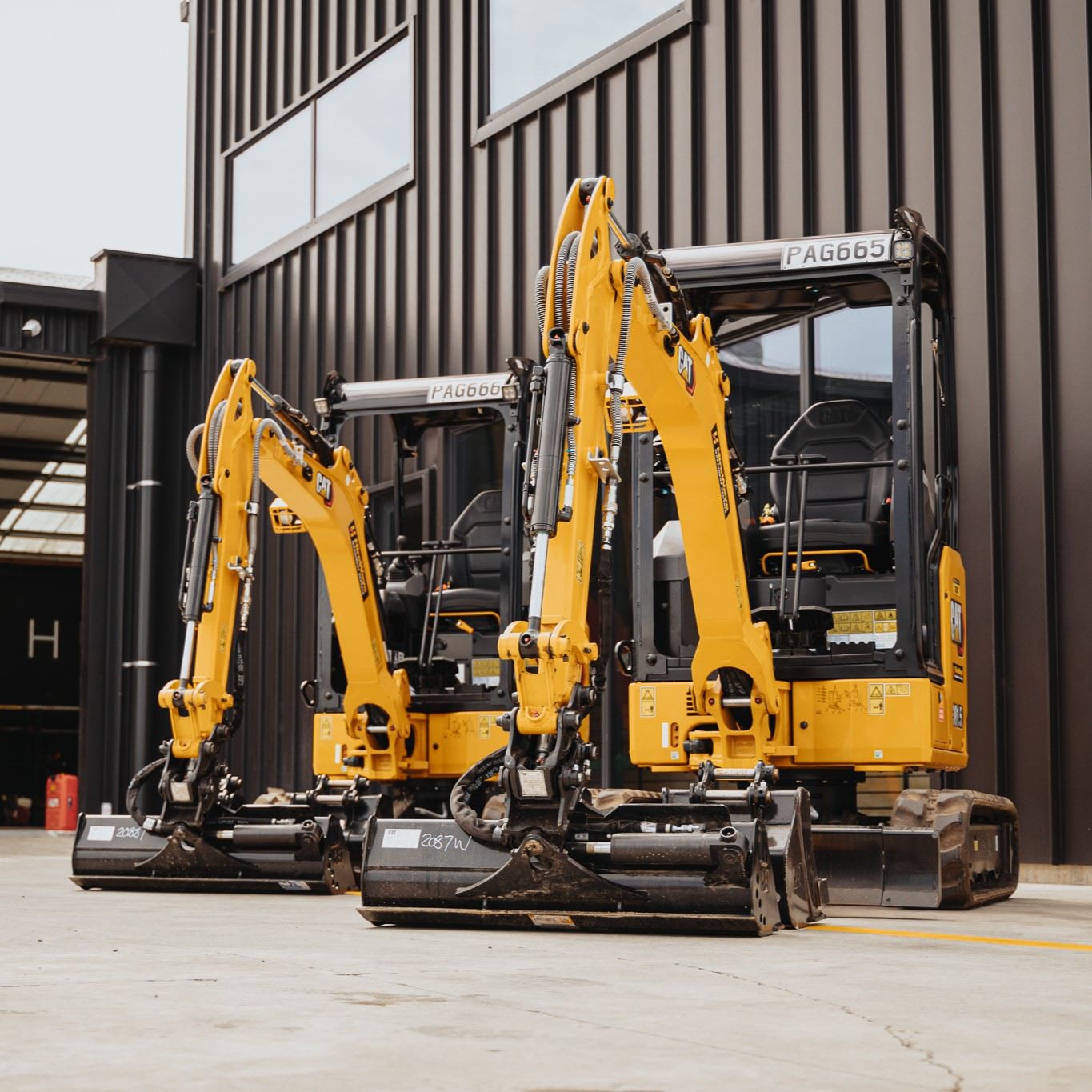
An excavator works through a boom, arm, and bucket connected to a rotating upper body. That rotation is the machine's key advantage: it digs in one direction, swings, and drops material somewhere else without the machine needing to reposition. Modern excavators also accept a wide range of attachments, so the same machine can dig a trench, break concrete, or handle demolition work.
Excavators are the largest segment of New Zealand's earthmoving equipment market, reflecting how central they are to site work at every stage. The wider construction equipment market is forecast to keep growing steadily over the coming years, driven by housing and infrastructure investment alongside the increasing uptake of grade control and 3D machine guidance systems that cut down on rework.
Excavators can handle:
- Trenching for drainage, water, and utility services
- Foundation and footing excavation
- Loading trucks and managing material on site
- Demolition and site clean-up
- Any digging where depth and position need to be accurate
For tight access or residential sites, mini excavators do the same job in a smaller package. They fit through standard fence gates, work close to existing structures, and cause less disruption to surrounding ground than larger machines. In New Zealand, smaller machines in the 1.5 to 2.5 tonne range are a common choice for residential and tight-access work, and many can be towed behind a standard ute, which keeps logistics simple for owner-operators and small contractors.
HireWays carries a full range of excavators for hire, from compact machines suited to residential sites through to larger units for civil and commercial work.
What Is a Bulldozer?
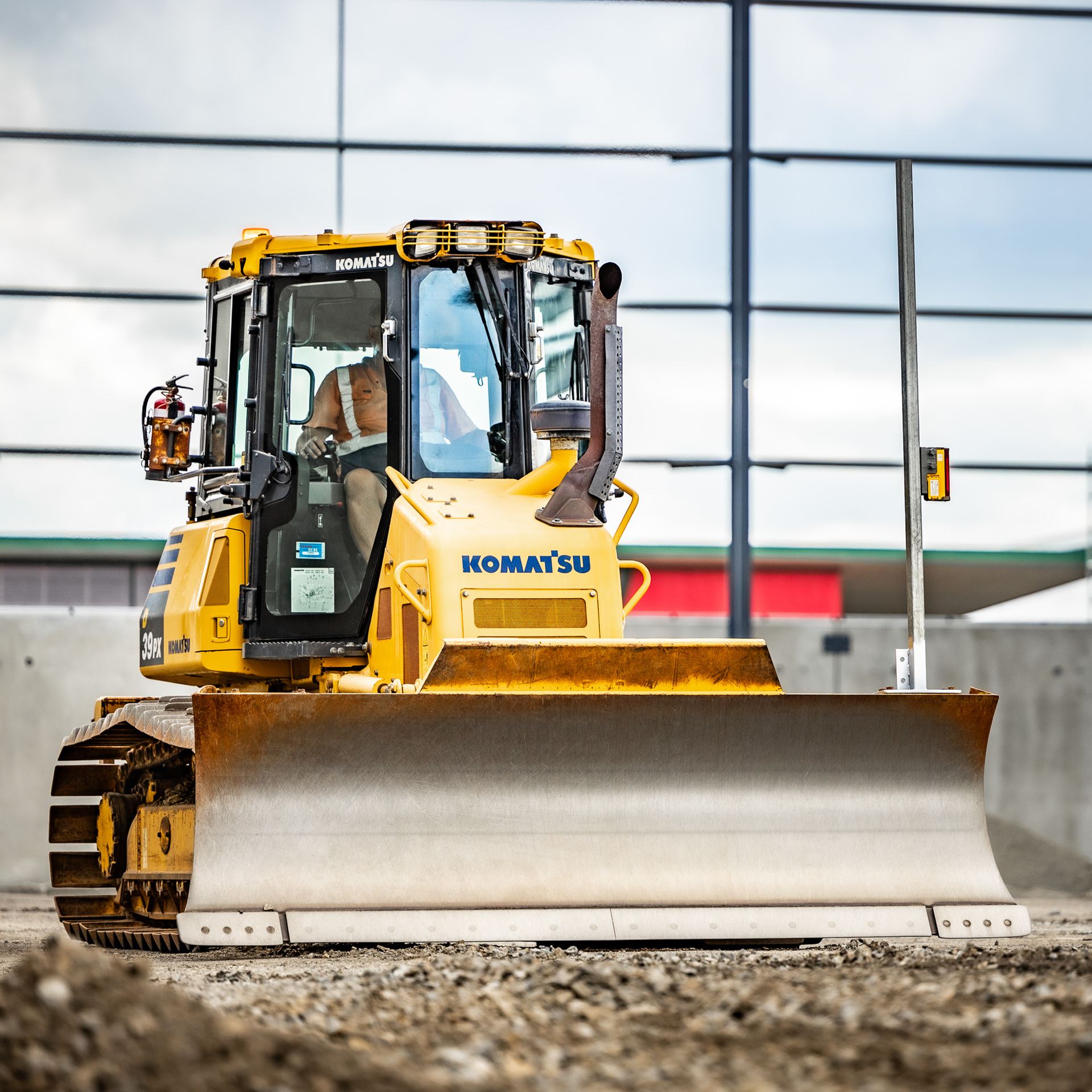
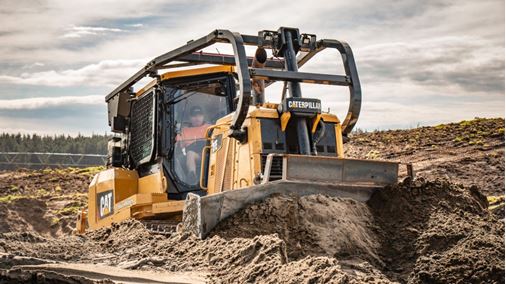
A bulldozer uses a large front blade to push material. Unlike an excavator, it does not lift or swing. It moves across a site and shifts material through forward force, which makes it the most efficient option for heavy surface work across large, open ground.
Crawler dozers are popular for their efficient bulk site clearing and ground preparation for road, rail, and civil projects. This reflects how much prep work depends on dozer capability before any other machine can start.
Bulldozers are the machine of choice for:
- Clearing debris, stumps, and vegetation
- Pushing large volumes of soil across a site
- Rough grading to knock down high spots and fill low areas
- Setting up a level working pad before finer equipment moves in
- Working on soft or uneven ground where tracked traction matters
Most dozer work happens early in a project. Before other machines can operate effectively, the site needs to be accessible and roughly level. A bulldozer handles that initial heavy work quickly and efficiently. If your project is currently at that stage, it may be worth reviewing the bulldozers available for hire through HireWays.
When to Use an Excavator on a Construction Site
Use an excavator when your job requires precision. Foundation excavation needs accurate depths and clean edges. Drainage trenches need to follow a set line and gradient. These are tasks that need a machine capable of digging to specific dimensions, not one built for pushing material around in bulk.
Excavators also suit confined sites. Urban construction, residential subdivisions, and sites that are close to existing infrastructure all have tight access and space constraints. The excavator's ability to reach, rotate, and place material in a controlled arc makes it far more practical in these situations than a bulldozer.
If your project involves loading trucks, handling mixed materials, or switching between tasks on the fly, an excavator with the right attachments gives you flexibility a dozer cannot match. Grade control on modern machines also reduces rework by improving cut and fill accuracy from the first pass.
For smaller sites with tight access, a mini excavator is often all you need and a lot easier to move between jobs.
When to Use a Bulldozer on a Construction Site
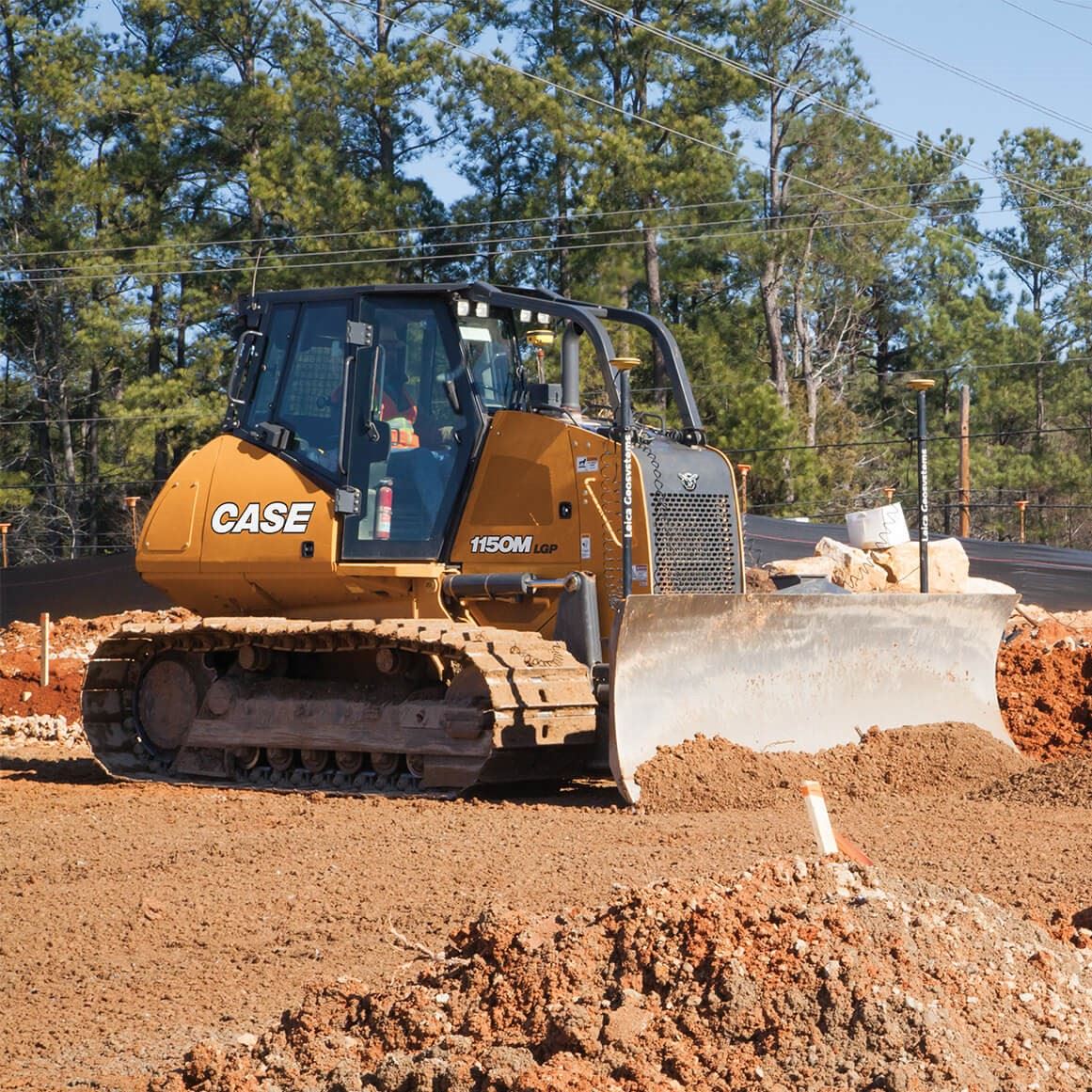
Use a bulldozer when the job involves moving a large volume of material across open ground. If you're clearing a site, stripping topsoil across a large development, or levelling rough ground before civil works begin, a dozer can get that done far faster than an excavator could.
Bulldozers also perform better on tougher ground. Their wide tracks spread weight across soft or unstable surfaces, giving them traction and stability where wheeled or narrower-tracked machines bog down or struggle. For civil projects, subdivisions, and rural development, the dozer's ability to cover big areas quickly in the early stages more than justifies its hire cost.
Excavator vs. Bulldozer: Which One Is Right for Your Project?
Your decision will come down to four things: project size, site conditions, stage of construction, and how much accuracy the work demands.
Are there large, open sites involved in early clearing and rough grading? Use a bulldozer. Are you working on confined sites, later-stage excavation, trenching, or tasks that require precise depth control? Use an excavator.
Budget and schedule feed into this process, too. The right machine for the task finishes the job faster, which means fewer days on hire and fewer costly setbacks from rework or site damage.
Using Excavators and Bulldozers Together
Many projects use both bulldozers and excavators in sequence. The common workflow is to bring in a bulldozer first to clear, push, and roughly level the site, then follow with an excavator to handle precise digging, services trenching, and truck loading.
This keeps each phase moving efficiently and gets the most out of what each machine does best.
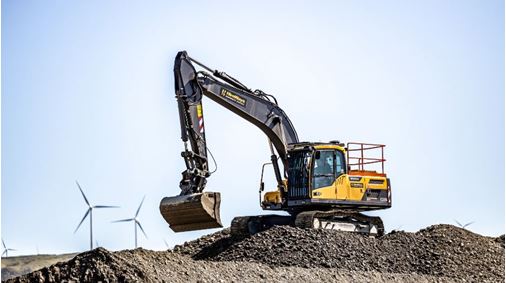
Quick Decision Guide
If you need a quick way to decide which machine suits your job, the guide below summarises the key differences.
- Choose an excavator if the work involves digging, trenching, foundations, demolition, or confined site access.
- Choose a bulldozer if the work involves clearing, bulk pushing, rough grading, or preparing a site pad.
- Use both for multi-stage projects where early clearing and later excavation are separate phases.
Get the Right Machine for Your Next Project
Picking the right equipment from the start keeps your costs predictable and your programme on track. HireWays has excavators, mini excavators, and bulldozers available for hire across the Lower North Island, backed by local knowledge and fast support when you need it.
Tell us what your project involves, and we will help you select the right machine for each phase. Call the team or visit hireways.co.nz to get a quote and check availability.










Leave your comment