
How to Choose the Right Excavator for Your Next Project: A Practical Guide to Excavator Hire
Thursday, 15 January 2026
How to Choose the Right Excavator for Your Next Project: A Practical Guide to Excavator Hire
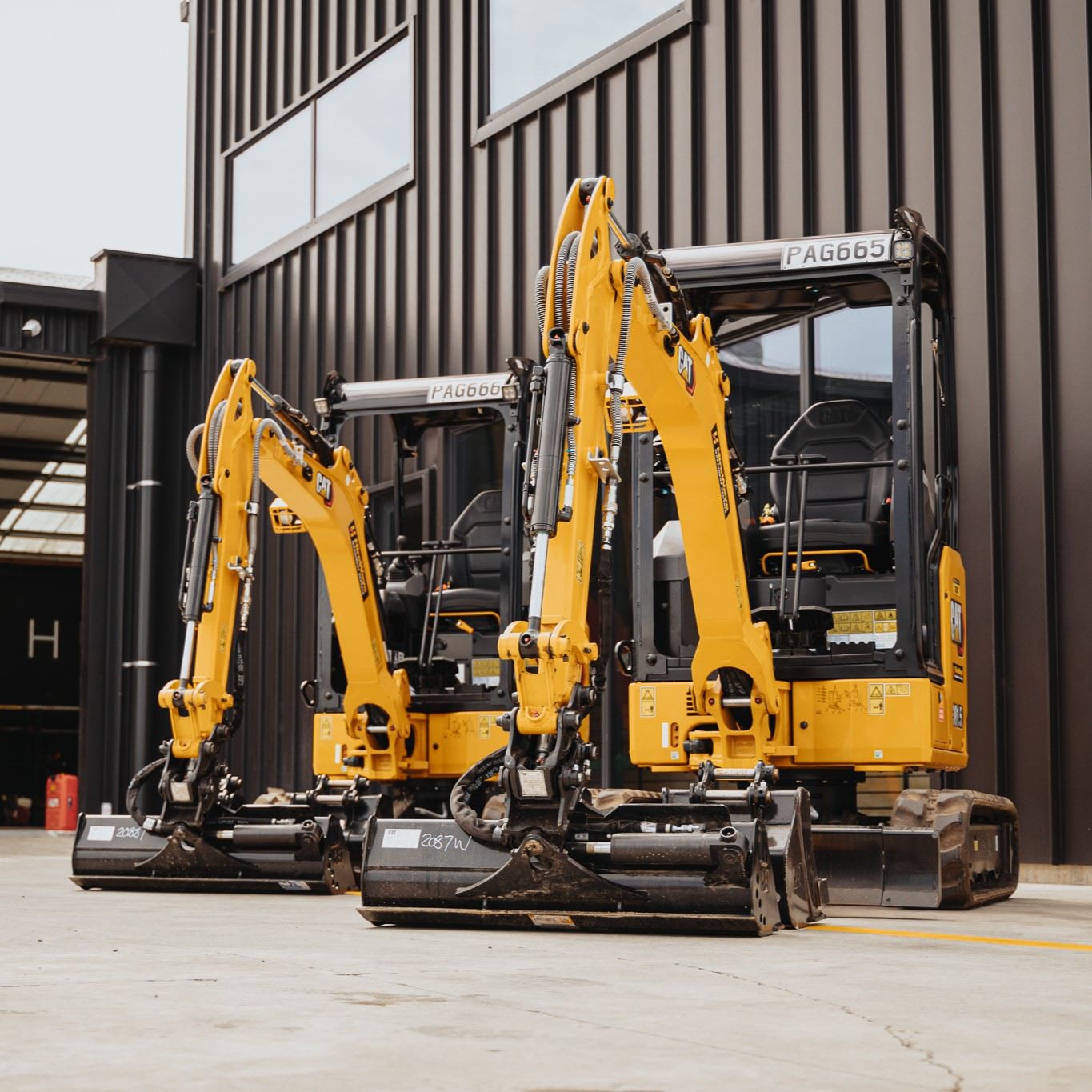
Why Choosing the Right Excavator Matters
Choosing the wrong excavator costs your operations wasted time, money, and energy. When you use the wrong size for the job, you set your project timelines back with multiple trips or inefficient navigation of tight access points.
Yet, it’s not all about size. It’s about matching machine capabilities with your project requirements. You need to consider site access, soil conditions, dig depth, material volume, and total project duration.
This guide breaks down these practical considerations to help you find which excavator is perfect for your next job. You’ll learn how to assess your project needs, understand excavator classifications, and make informed decisions that keep your project on schedule and within budget.
Understanding Excavator Types: Which One Suits Your Job?
Excavators fall into three main categories based on operating weight: mini; medium or standard; and large or heavy-duty. These categories suit different project types and site conditions. We’ve broken them down below.
Mini Excavator Hire for Tight Access and Residential Jobs
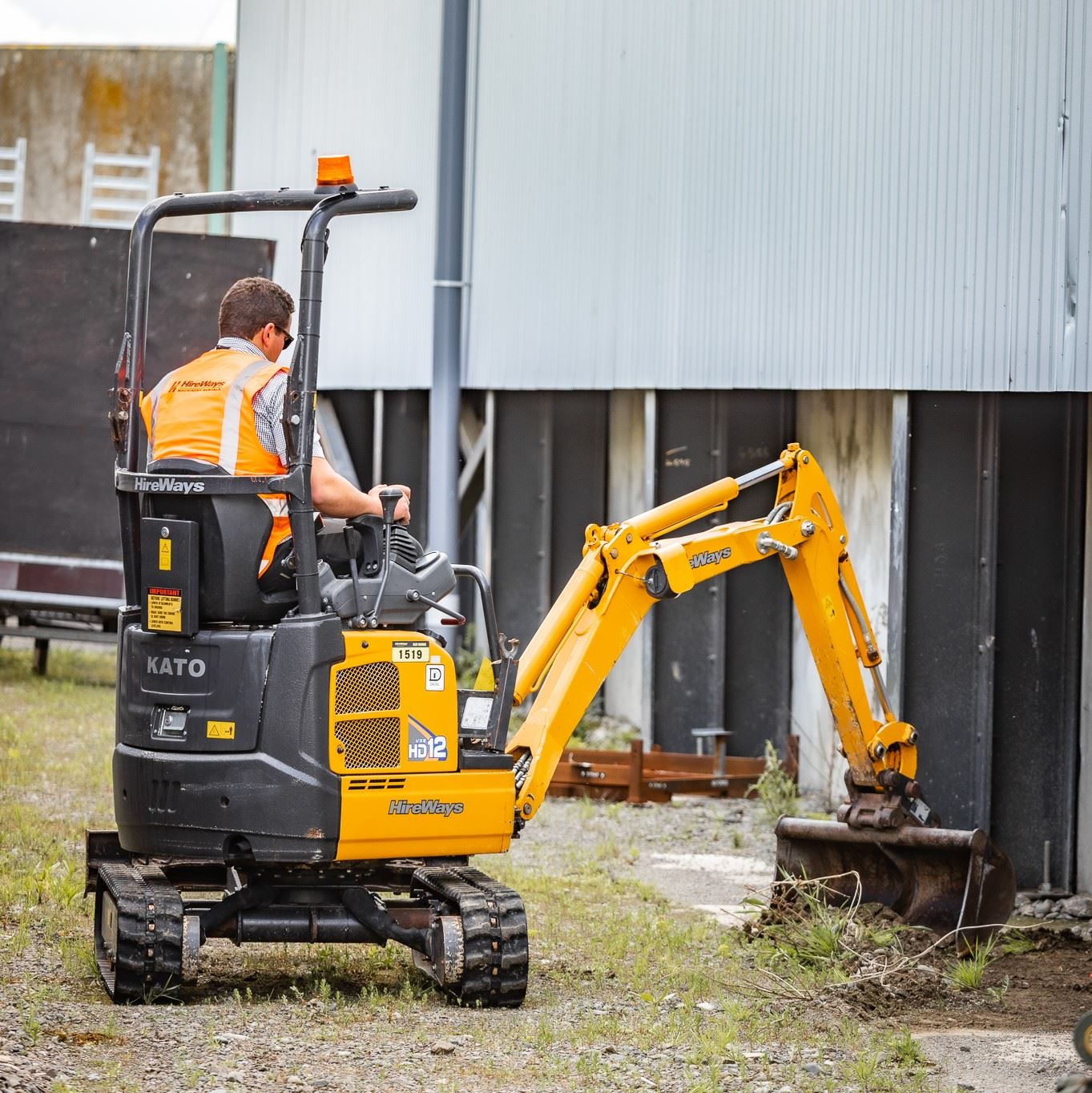
Mini excavators go from 1.5 to 5 tonnes and excel at residential and light commercial work. These machines can fit through standard gates, navigate around existing structures, and minimise ground disturbance. You’ll find them commonly on jobs where access matters more than raw digging power.
Other applications include residential footings, service trenching, landscaping work, swimming pool excavation, and driveway preparation. Their compact footprint also means less restoration work once the project is completed. Fuel and transport sits well below larger machines, making it a mobile, cost-effective solution, especially if you’re juggling multiple small projects.
Standard and Heavy Excavators for Civil and Commercial Projects
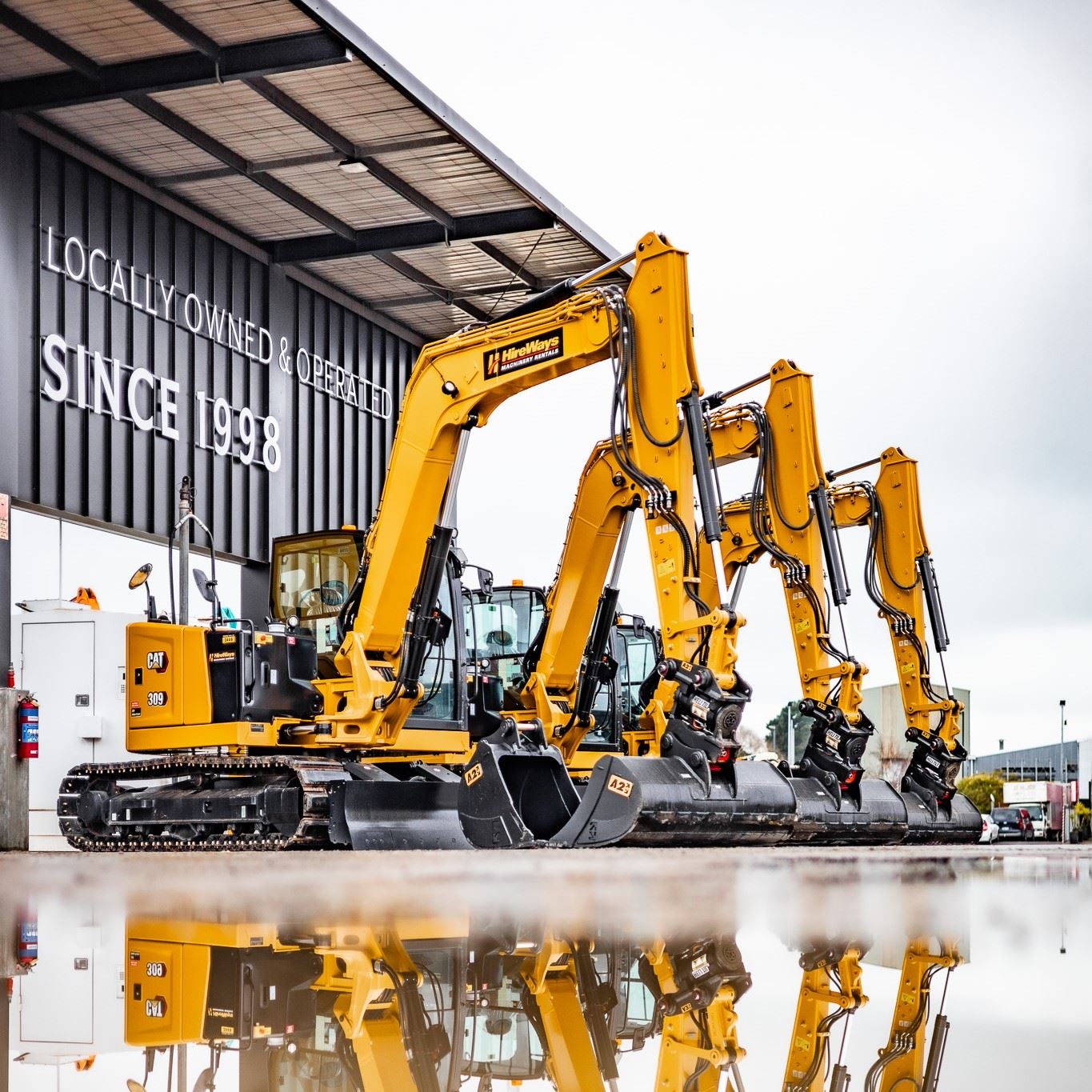
Medium or standard excavators range from 8 to 15 tonnes and can handle the bulk of commercial and civil work. These machines deliver serious digging power, bucket capacity, and stability for more demanding applications. You’ll see them on bigger subdivision developments, commercial site prep, and infrastructure projects.
Heavy-duty excavators, meanwhile, go beyond 15 tonnes. They’re best-suited to tackle large projects that require deep basement excavations, large-scale earthworks, demolition, and bulk material movement. While operating costs run higher with these machines, the boost in productivity, especially when shifting large volumes, often delivers a far better cost-per-cubic-metre outcome.
How to Match Excavator Size to Your Project
There are three factors to help you determine the right machine size. There’s dig depth requirements, material volume, and site access constraints. We’ll expound on each one below.
- Dig Depth and Reach:
Different excavator sizes have different dig depths. Match your excavator’s maximum dig depth to your deepest requirement, then add at least 500mm of buffer. For example, if your plans show 2.8 metre foundations, you need an excavator that digs up to 3 metres. This buffer can save you from expensive hand-finishing or mid-job equipment changes in the event of hitting rocky material or unstable ground.
- Material Volume:
Calculate your total cubic metres, then consider your timeline. Just because a standard excavator is technically capable of moving material across sites doesn’t mean it’s the smartest option if it will extend your timelines and spell costly delays to your project.
- Site Access Reality:
Having the perfect machine means nothing if it can’t reach your dig site. This means you also need to think about track width and check the entire path for overhanging trees, tight corners, ground slopes, and access entries like gates. For certain projects, you’d also want to check for ground bearing capacity to prevent disruptions when you access your site.
Should You Hire or Buy an Excavator?
To buy or to just hire. That decision boils down to your utilisation and the amount of cash you have flowing. While it’s great to own equipment, there are hidden costs you need to account for. We’ll break down which satisfies your objectives better.
The True Cost of Ownership
When you buy an excavator, you’re committing capital to depreciation, insurance, registration, servicing, repairs, and storage: An excavator typically loses 15-20% of its value in the first year, depending on model and utilisation. Regular servicing can set you back thousands of dollars annually. Hydraulic repairs, undercarriage replacement, and major component overhauls adds tens of thousands of dollars you’ll need to budget.
There’s even more hidden costs. When your machine sits idle between projects, it doesn’t earn you back the cost you’re paying in depreciation and insurance. Moving and storage your machine also incurs extra costs.
The Excavator Hire Advantage
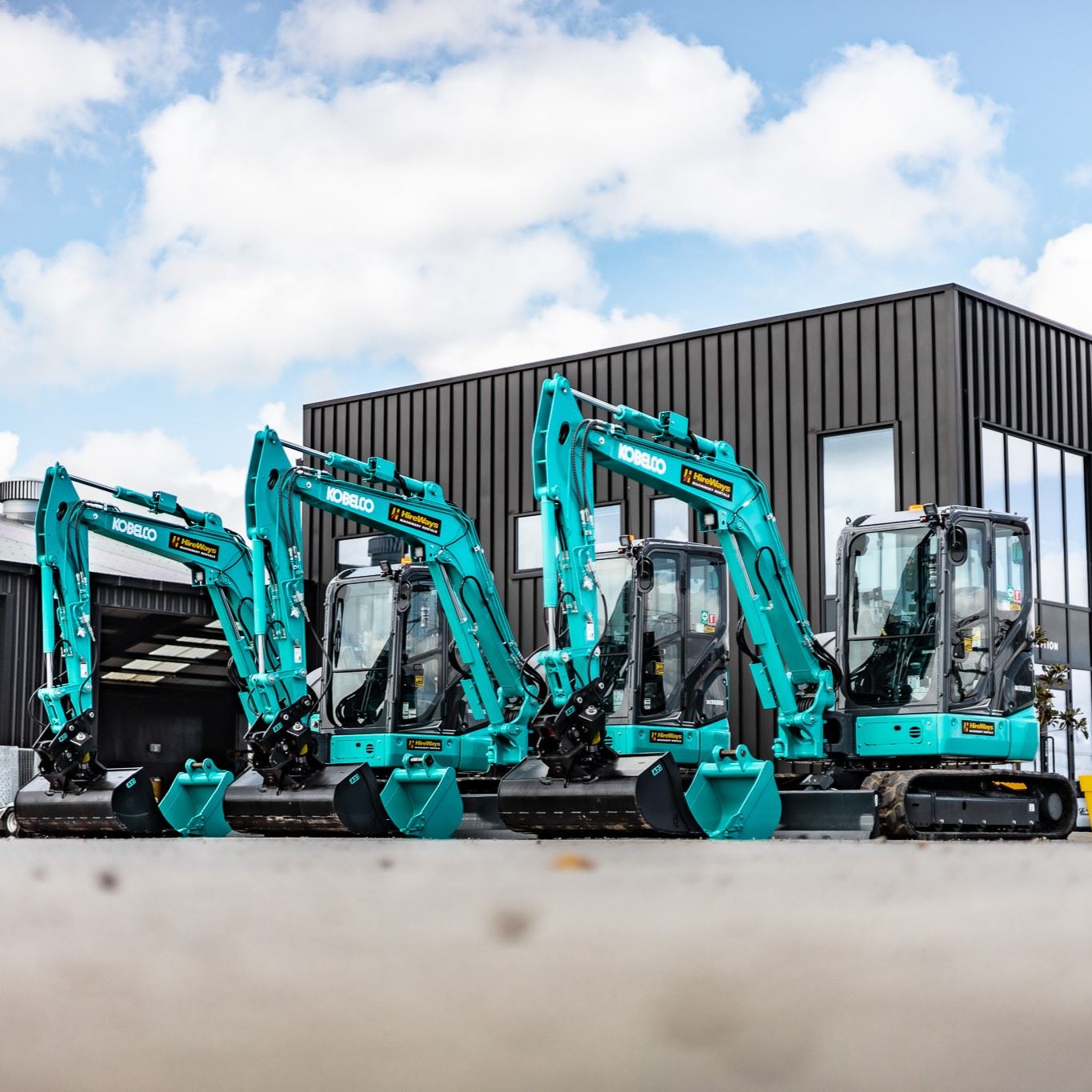
Excavator hires turn these fixed costs into variable costs. You only have to pay for days you’ll actually need to use the machine. Service, maintenance, and breakdown cover goes with the hire company. And if ever your project scope changes, you can swap machines without selling your old equipment to replace with a new one.
This flexibility extends to matching your exact site specifications. Need a rock breaker attachment for three days? Hire it. Require a larger machine for bulk excavation? Upgrade for that period only. Want a smaller machine for finishing work? Downsize sensibly.
For most contractors, excavator hire makes more sense. Your capital stays available for other business needs, and you always have access to well-maintained, current-model equipment.
What to Look for in an Excavator Hire Partner
Not all equipment hire companies deliver at the same level of customer service. Make sure you’re looking into the following when looking to partner with an equipment hire company.
- Fleet Quality and Range: Your hire partner should stock well-maintained machines across the full size range. This means you can scale up or down should your project needs change. Late-model machines also run more efficiently, break down less often, and include the latest safety features.
- Local Expertise: Regional knowledge matters in New Zealand conditions. A hire company that understands local soil types, weather patterns, and typical project requirements like Hireways can guide you to better equipment decisions. That local expertise often prevents problems before they start.
- Integrated Equipment Solutions: Excavation rarely happens in isolation. You need tipper trucks or dump trucks to remove spoils. You might need a bulldozer for initial site clearing or a roller for compaction. A hire partner that can supply coordinated equipment packages saves you from the stress of juggling multiple suppliers.
- Responsive Service: Equipment issues cost you money by the hour. Your hire partner should respond quickly to breakdowns, provide clear communication about delivery timing, and genuinely care about keeping your project moving.
Hireways operates across the Lower North Island with exactly this approach. The team combines four generations of earthmoving knowledge with a comprehensive fleet that covers everything from 1.8 tonne mini excavators to 35 tonne machines. More importantly, we coordinate your entire equipment package, so your excavator, dump trucks, and support equipment all arrive when needed.
Quick FAQs About Hiring Excavators in NZ
- What size excavator should I hire for my site?
Match machine size to your dig depth, volume, and access constraints. For residential work with standard gate access, you’d want to look at 1.8 to 5 tonne machines. For commercial site work, you’d like to consider 8 to 13 tonne excavators. For bulk earthworks and deep excavation, 15+ tonne machines deliver better productivity and ultimately the best value for your money.
- Is mini excavator hire cheaper?
Daily rates run lower for mini excavators, but total project costs depend on productivity. A mini excavator taking four days might cost more overall than a larger machine completing the same work in two days. Calculate your total project cost, not just daily hire rates.
- Can I hire a dump truck or tipper truck with my excavator?
Professional hire companies like Hireways offer coordinated equipment packages. This ensures your excavator has somewhere to dump material and keeps your operations running smoothly. Discuss your full equipment needs upfront with our team to get better coordination.
- Who covers maintenance and servicing during the hire?
Standard hire agreements include routine maintenance and breakdown cover. You're responsible for operating the machine properly and reporting any issues promptly. Damage from misuse typically sits with the hirer.
- Are attachments like augers or rock breakers included in hire rates?
Standard buckets usually come with the base hire rate. Specialized attachments like augers, rock breakers, or grabs require additional daily charges. Clarify your attachment needs when booking to get accurate pricing.
Conclusion: Make Every Hire Decision Count
The right excavator saves you time, reduces labour costs, and keeps your projects on schedule. Considerations like dig depth, material volumes, site access, and ground conditions help you match requirements to the exact machine you need to get the job done.
For Lower North Island projects, our team here at Hireways can talk you through your best options. Our team knows local conditions, understands the work, and can coordinate complete equipment packages that keep your project moving efficiently.
Talk to Hireways today
to get tailored advice on selecting the best excavator for your next project.
Contact Us










Leave your comment