
Site Preparation Equipment Guide: Which Machines You Need for Each Stage
Tuesday, 28 April 2026
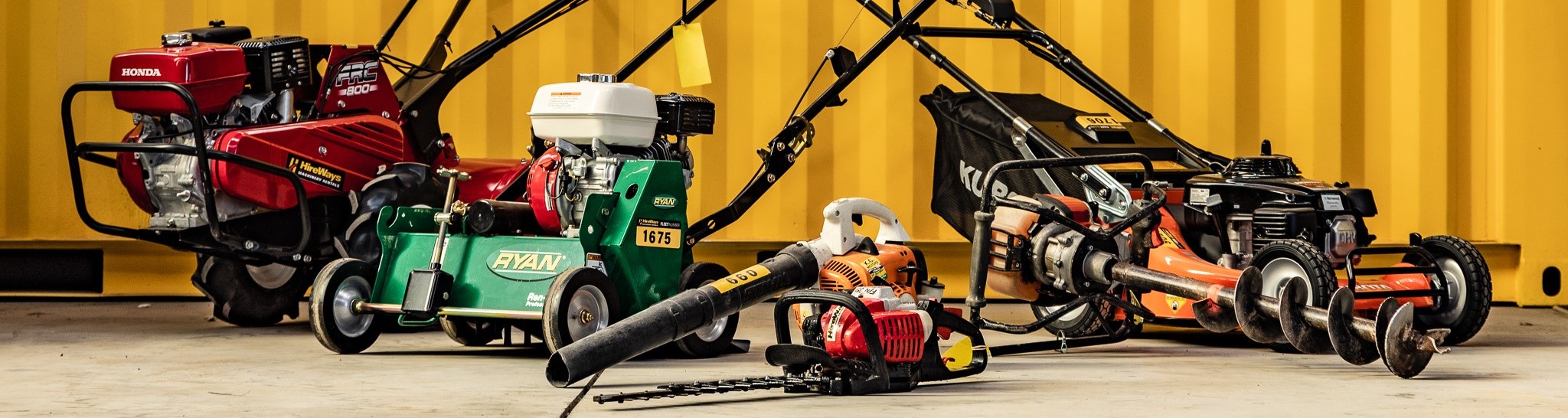
Every construction project starts with the ground. Before foundations go in, before concrete is poured, and before any structure takes shape, your site needs to be ready. That means clearing vegetation, moving earth, levelling surfaces, compacting soil, and installing underground services.
If you get this stage wrong, problems compound quickly. Poor compaction leads to settlement, while uneven grading creates drainage issues that may only appear months after handover. Inadequate clearing slows every machine that follows. The cost of correcting site preparation mistakes is almost always higher than doing it properly the first time.
This guide breaks down the main site preparation equipment categories and explains where each machine fits in the process. Whether you're managing a residential subdivision, a commercial development, or a civil infrastructure project, understanding which machines handle which tasks helps you plan more efficiently and avoid costly equipment mismatches on site.
Understanding the Site Preparation Process
Site preparation follows a logical sequence. Each stage builds on the one before it, and using the right construction site preparation equipment at each point keeps the project moving without rework or delay.
The typical sequence runs through six core stages:
- Site clearing comes first, removing vegetation, trees, stumps, and surface debris so earthmoving equipment can access the ground.
- Earthmoving follows, where bulk material is excavated, relocated, or removed from the site entirely.
- Levelling and grading then shape the land to the required profile, establishing correct slopes and surface levels.
- Compaction firms the prepared surface to support structural loads.
- Utility trenching creates channels for drainage, water, power, and communications.
- Material handling supports the entire process by moving supplies, aggregate, and equipment around the site.
Skipping a stage or using equipment that is too small for the job creates bottlenecks. Matching your machines for site preparation to the correct stage keeps each phase productive and prevents expensive rework.
Excavators: The Backbone of Site Preparation
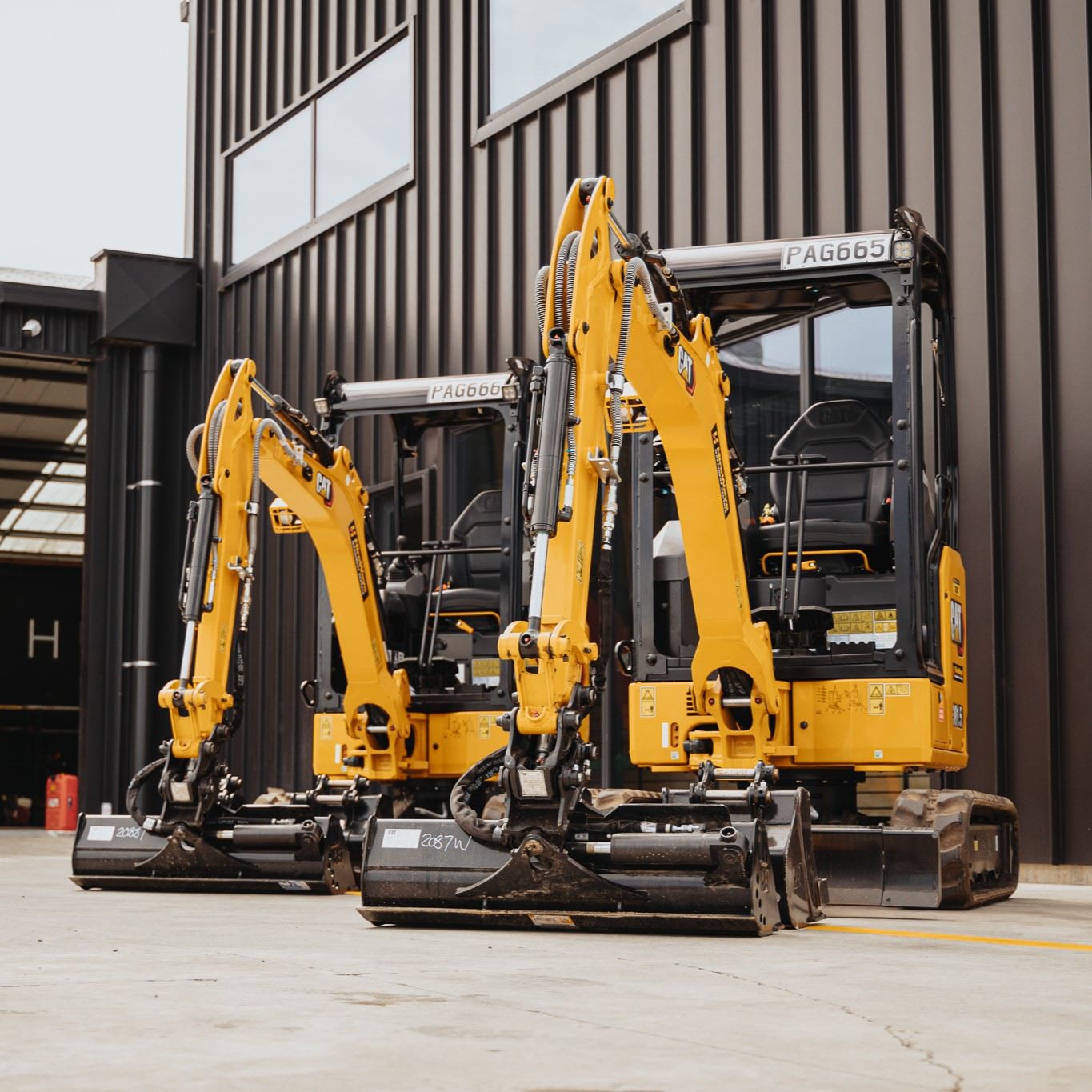
Excavators handle more tasks during site preparation than any other single machine type. Their combination of digging reach, lifting capacity, and attachment versatility makes them essential at nearly every stage of the process.
Why Excavators Are Essential
During site clearing, excavators pull stumps, strip topsoil, and demolish existing structures. When earthmoving, they dig out the foundations, shape the batters, and load the trucks. They cut trenches for drainage and utilities with a level of accuracy that broader earthmoving machines simply cannot match. With the right attachment, an excavator can also handle rock breaking, concrete demolition, and material sorting.
This versatility is why an excavator is typically the first machine on site and one of the last to leave. For contractors working across multiple project types, an excavator hire is often the single most important equipment decision on the list.
Types to Consider
- Mini excavators (under 6 tonnes): suit residential sites, landscaping, and areas with tight access where larger machines simply cannot operate. Their compact footprint reduces surface damage on finished areas and allows work close to existing structures.
- Crawler excavators in the 8 to 30 tonne range cover most commercial and civil site preparation work. They deliver the digging depth, breakout force, and bucket capacity needed for bulk earthworks and deep trenching.
- Wheeled excavators offer faster travel between work areas on hard surfaces, making them practical for projects spread across larger sites where repositioning happens frequently.
Skid Steer Loaders: Compact Power for Tight Spaces
When site access is limited or the work requires a machine that can switch between tasks quickly, skid steer loaders are your best option. Their tight turning radius and compact dimensions let them operate in spaces that would restrict larger equipment.
Best Uses During Site Preparation
Skid steers handle light grading, debris clearing, material transport, and landscaping work effectively. With attachment changes, a single machine can sweep, auger post holes, break concrete, and load trucks across the same shift. This flexibility reduces the number of machines you need on smaller sites and keeps your hire costs focused.
On residential and light commercial projects, a skid steer often works alongside an excavator as the primary support machine. It handles surface work while the excavator focuses on digging. For sites where a full-size loader would be oversized or where access tracks are narrow, a skid steer keeps material moving without damaging surrounding areas.
Bulldozers and Loaders: Heavy-Duty Land Clearing
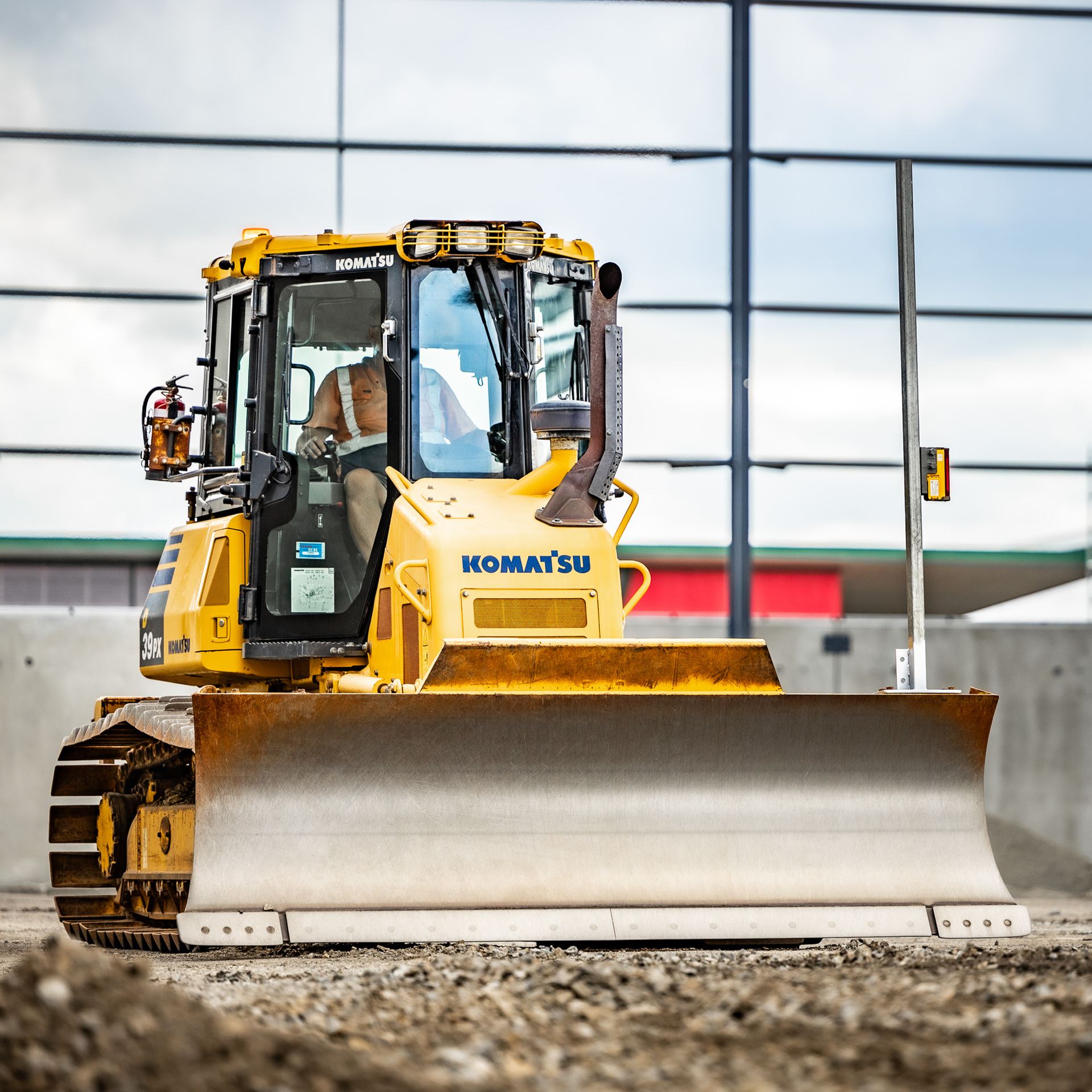
When your project requires large volumes of material to be pushed, stripped, or relocated across open ground, bulldozers and loaders are the most efficient option. These machines handle bulk work faster than excavators because they are built specifically for continuous surface operations.
When You Need Dozers and Loaders
Bulldozers excel at pushing soil, stripping topsoil, clearing vegetation, and rough-levelling large areas. Their tracked undercarriage provides traction on soft or uneven ground where wheeled machines would naturally struggle. On greenfield sites, a bulldozer typically does the initial heavy clearing before other equipment moves in.
Loaders complement bulldozers by handling material that needs to be picked up, carried, and placed rather than pushed. Loading trucks, stockpiling aggregate, and backfilling are all faster with a loader than with an excavator. On projects where material needs to travel more than about 50 metres, a loader and truck combination is usually more productive than an excavator loaded from a stationary position.
For large site preparation projects, running a bulldozer and loader together with dump trucks creates an efficient earthmoving chain that keeps all machines productive rather than waiting on each other.
Compaction Equipment: Building a Stable Foundation
Compaction is one of the most important steps in site preparation and one of the most commonly underestimated. Without proper compaction, your soil settles unevenly after construction, which causes cracked foundations, failed pavements, and drainage problems that are expensive to repair.
Why Compaction Matters
Compaction increases the density of soil by removing air between particles. Denser soil supports heavier loads, resists water penetration, and provides a stable base for foundations, slabs, roads, and pavements. Building codes and engineering specifications set minimum compaction levels for different applications, and failing to meet those standards results in failed inspections and rework.
The type of compaction equipment hire you need depends on the material and the area you are working with. Smooth drum rollers suit granular soils and large, open areas like road bases and car parks. Padfoot (sheepsfoot) rollers work better on cohesive clay soils where the feet penetrate and knead the material. And plate compactors handle smaller areas, trench backfill, and edges where rollers cannot reach.
For most site preparation projects, you will need at least two compaction tools to cover both broad areas and confined spaces and prevent post-construction failure in both residential and commercial projects.
Motor Graders: Precision Levelling Tools
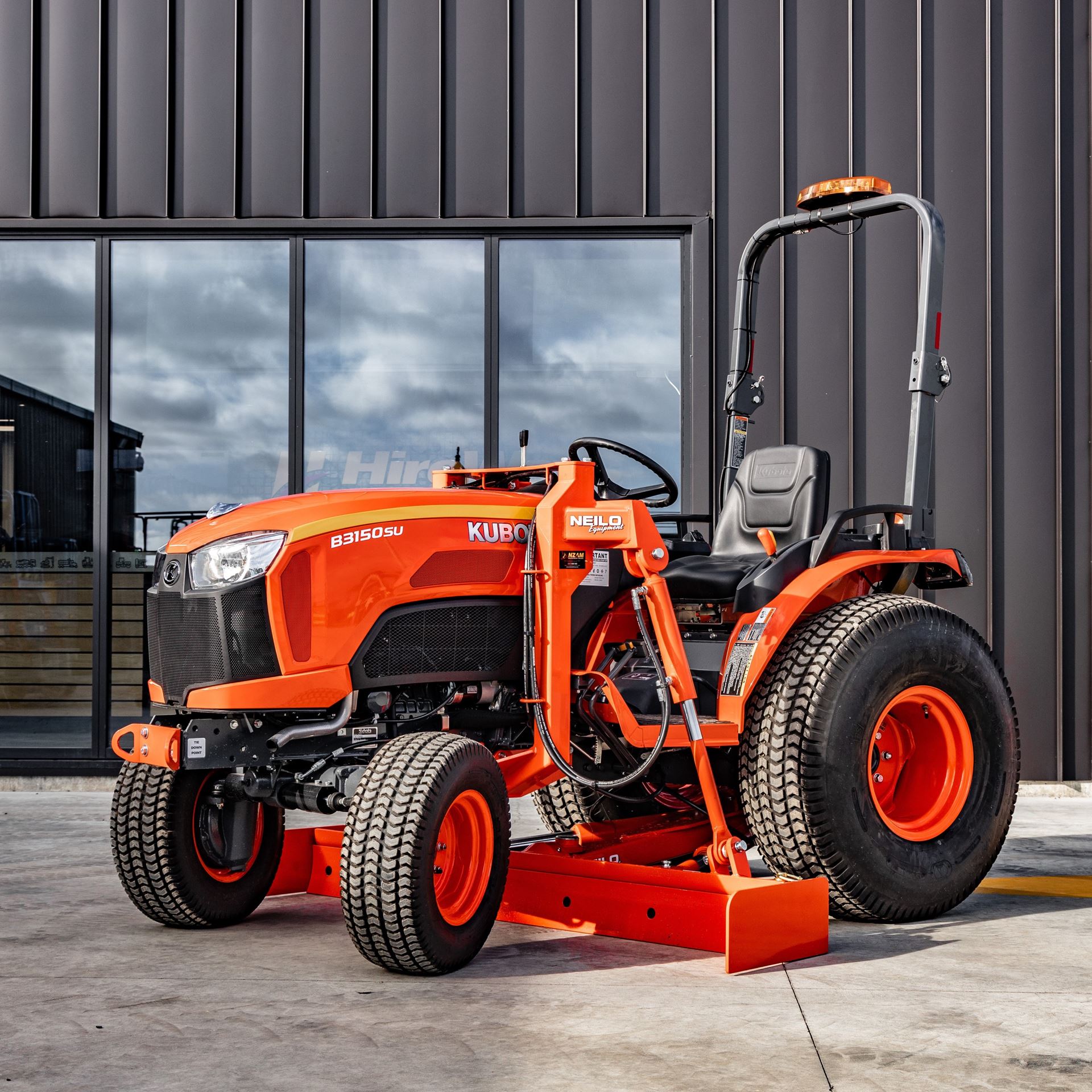
After you complete your bulk earthworks, your soil’s surface needs to be shaped to final levels. Motor graders provide the precision you need to finish grading work.
Final Surface Preparation
A grader's long wheelbase and adjustable blade create smooth, even surfaces over large areas. It’s crucial for road construction, car parks, building pads, and any surface where water drainage depends on precise fall. Even a few centimetres of deviation from the design profile can cause ponding, erosion, or structural issues down the line.
Graders also maintain haul roads during construction, keeping them safe and passable for trucks and other grading equipment. On longer projects, regular grading of access tracks reduces tyre wear and transport times, directly improving overall project productivity.
Trenchers: Preparing for Underground Services
Most construction sites require underground services including water, stormwater, wastewater, power, telecommunications, and gas. Trenchers cut narrow, consistent channels through prepared ground more efficiently than excavators for non-stop runs.
Key Applications for Trenchers
Trenchers produce a uniform trench profile with clean walls. That means less backfill material and better compaction around pipes and cables. For drainage installation, cable laying, and pipeline work, a trencher completes straight runs faster than an excavator can.
On sites with varying soil conditions, choosing the right trencher chain or wheel configuration will affect both speed and trench quality. Rocky ground, heavy clay, and sandy soils each require different cutting setups. Matching the trencher to your ground conditions prevents premature wear on the machine and keeps production rates consistent across the job.
Telehandlers and Access Equipment: Supporting Site Logistics
Site preparation involves more than moving earth. Materials, equipment, and supplies need to be lifted, positioned, and distributed across the work area. Telehandlers bridge the gap between a forklift and a crane, offering reach and lifting capacity in a mobile, versatile package.
Material Handling Before Construction
During site preparation, telehandlers move pallets of construction materials, position temporary fencing and barriers, load skips, and support scaffold erection. Their extending boom provides reach that standard loaders simply cannot match, which is useful for placing materials on elevated platforms or over obstacles.
On projects that transition from site preparation into construction, having a telehandler on site early reduces the need to bring in additional lifting equipment later. The same machine that unloaded reinforcing steel during earthworks can place roof trusses once construction begins, which saves you the cost and coordination of bringing in separate lifting equipment.
Dump Trucks: Moving Soil and Debris Efficiently
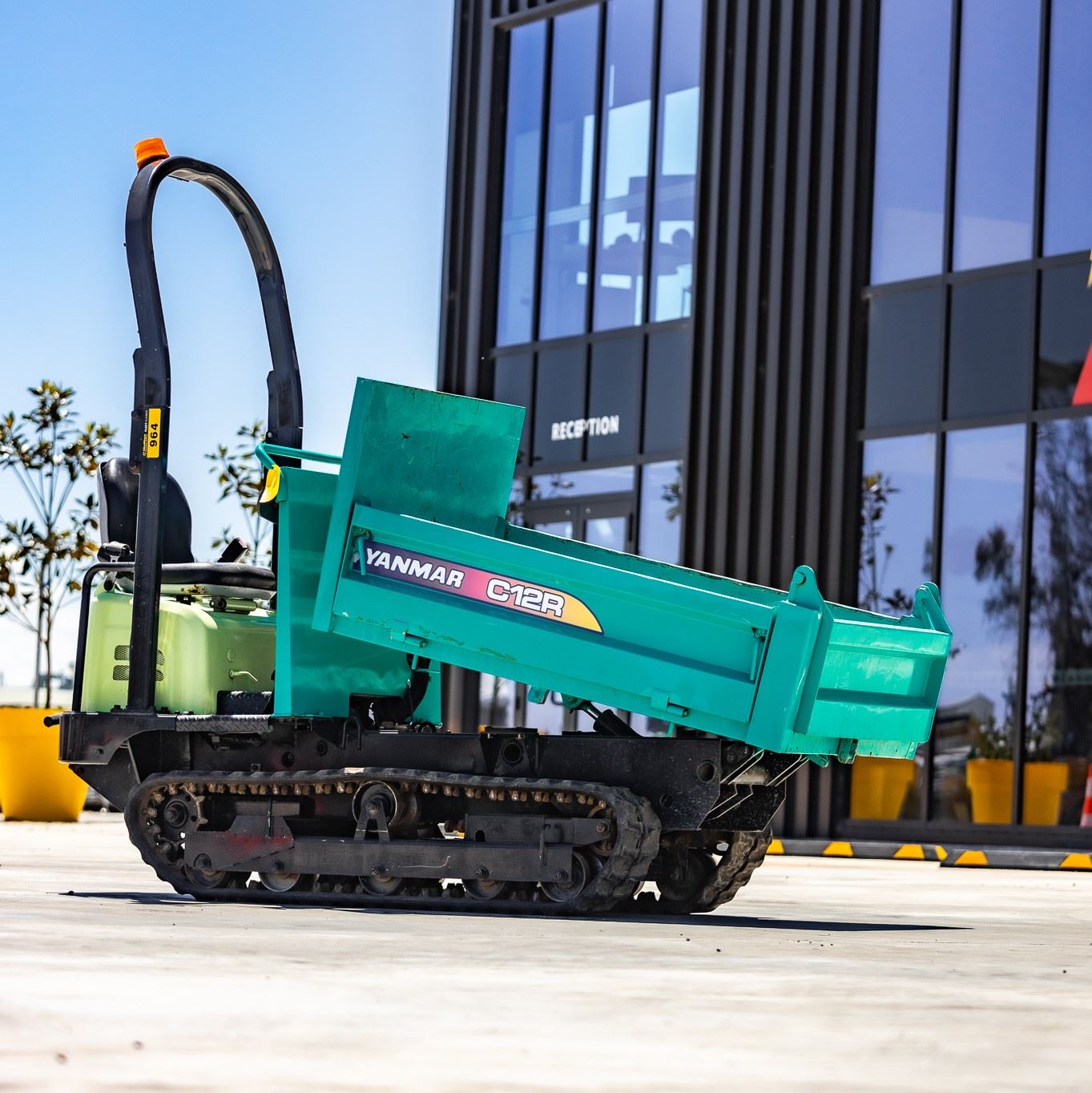
Every site preparation project generates material that needs to move. Whether it is excavated soil going to a stockpile, rubble leaving the site, or aggregate arriving for base courses, dump trucks keep your earthmoving chain productive.
Transporting Materials On Site
The right number and size of trucks make a real difference to earthmoving productivity. Too few trucks and your excavators and loaders sit idle between loads. Deploy too many trucks and you’ll create queuing and congestion on haul roads.
For site preparation, matching truck capacity to your excavator or loader bucket size keeps the loading cycle efficient. A truck that takes four to five bucket loads to fill balances loading time against travel time on most sites. On projects with longer haul distances, adding an extra truck to the cycle prevents the loading machine from sitting idle, which is where the real cost adds up.
Choosing the Right Equipment for Your Project
Selecting the right earthmoving equipment hire starts with understanding your site. A small residential section with tight access requires an entirely different machine combination than a multi-hectare commercial development. Getting the match right from the start prevents your operation from making expensive mid-project equipment changes.
Site Size Matters
Site size determines whether you need compact or full-size machines. A 1,000 square metre residential lot works well with a mini-excavator and skid steer. A 5-hectare subdivision needs full-size excavators, bulldozers, trucks, and compaction rollers working together.
Terrain & Soil Conditions
Soft, wet ground suits tracked machines better than wheeled ones. Rocky ground requires heavier equipment with rock-rated undercarriages and possibly hydraulic breaker attachments. Clay soils behave differently to sandy or volcanic soils, and the equipment setup should reflect that.
Project Duration & Phasing
Short-term hires suit specific tasks like bulk earthworks or compaction. Longer projects with overlapping phases benefit from flexible hire arrangements where equipment can be swapped as the work progresses through each stage.
Benefits of Hiring Site Preparation Equipment
Heavy equipment purchases require substantial capital investment, and site preparation machines typically see intensive use for weeks or months, rather than year-round. Hiring provides you with access to the right equipment for each project phase without the ongoing costs of ownership, depreciation, insurance, and storage.
Maintenance and repair costs sit with the hire provider. Your equipment arrives serviced and ready to work. And if ever a machine goes down, the hire company provides a replacement rather than leaving you to deal with the repair and the project delay yourself.
Hiring allows you to scale your fleet up or down as project requirements change. You can bring in a larger excavator for deep foundation work, swap to a smaller machine for finishing, and add trucks during peak earthmoving periods—all without committing to long-term asset purchases that might not suit your next project.
For contractors working across multiple projects with different requirements,hiring equipment means you always have the right machine for the job rather than making do with what you own.
Find the Right Equipment for Your Next Project
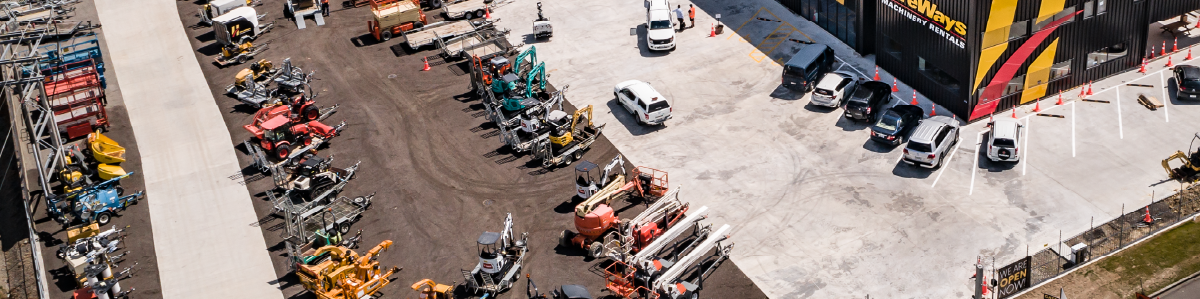
Proper site preparation sets the pace for everything that follows. The right combination of excavators, bulldozers, compactors, graders, and support equipment keeps your project on schedule and your costs under control.
Browse the full range of site preparation equipment at hireways.co.nz or call 0800 447 392 to discuss your project requirements with the team.
Frequently Asked Questions
What equipment is needed for site preparation?
It depends on the project, but most sites need some combination of excavators, bulldozers, compactors, graders, trenchers, and dump trucks. A residential lot might only need a mini excavator and skid steer. A multi-hectare commercial development needs the full range working together. Your site size, soil type, and scope should determine the right mix.
What is the most important piece of equipment for site preparation?
Excavators. They handle digging, demolition, trenching, loading, and material sorting across nearly every stage. That being said, compaction equipment runs a close second. You can do a perfect job on earthworks and grading, but if compaction is wrong, you will be dealing with settlement and cracked foundations after the build is done.
How do I know which size of excavator I need for my project?
Match it to your dig depth, material volume, and site access. Mini excavators (under 6 tonnes) suit residential and tight-access work. Mid-range crawlers (8 to 14 tonnes) cover most general site prep. Larger machines (20 to 30 tonnes) handle deep foundations and bulk earthworks. If you are unsure, call your hire provider with the job details, and they will point you in the right direction.
Why is soil compaction important before construction?
Compaction removes air voids and increases soil density, which is what gives the ground its load-bearing capacity. Skip it or do it poorly, and the soil keeps settling after construction. That means cracked foundations, uneven pavements, and drainage failures. Building codes set minimum compaction standards for this reason, and falling short means failed inspections and rework.
Is it better to hire or buy site preparation equipment?
For most contractors, hiring makes more sense. Site prep machines work hard for weeks or months, then sit idle until the next job. Hiring avoids the capital outlay, cuts out maintenance and storage costs, and lets you pick the right machine for each project. You get serviced equipment every time, and if something goes down, the hire company provides a replacement. Less stress, no drama.










Leave your comment